
10 lessons from top estate managers: inside the 2026 Nines Client Retreat
Want to learn from the best in estate management? Here are 10 takeaways from the first Nines Client Retreat.
By Leith Gray
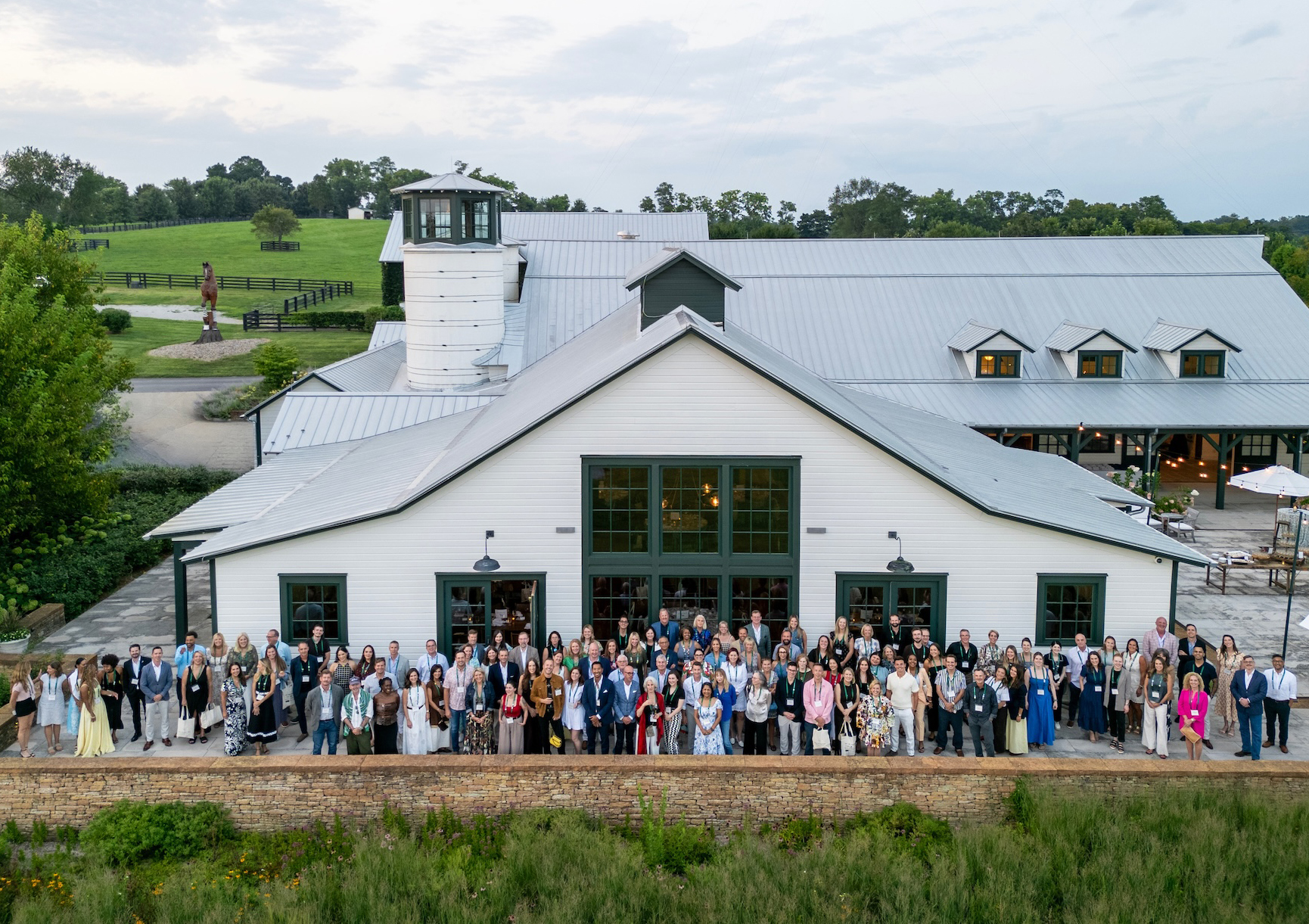
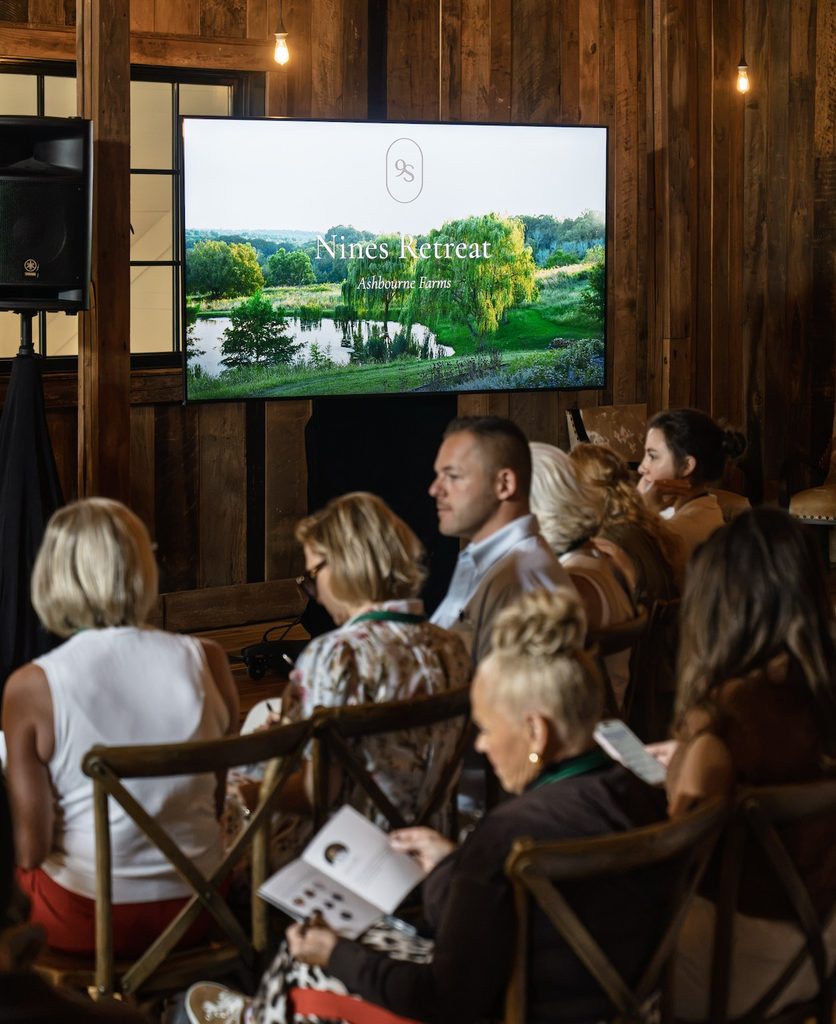
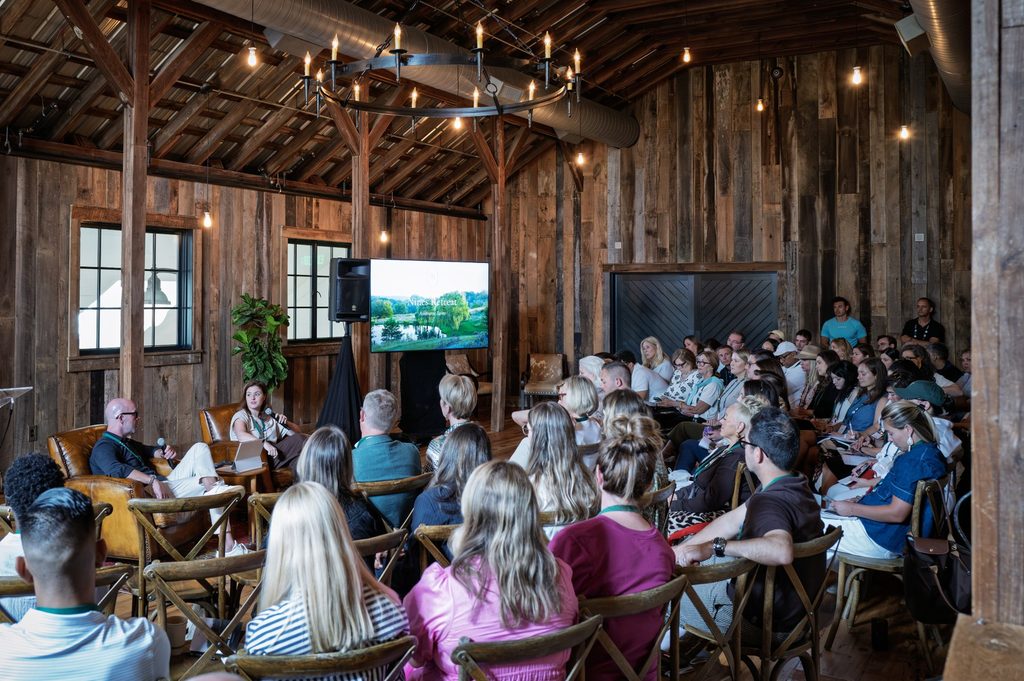
Nines recently hosted our first-ever Client Retreat at Ashbourne Farms in Kentucky: three days that brought together 130 clients, partners, and friends from across the estate management and family office world.
The retreat was designed to give Nines clients space to share how they use our platform to manage household operations, pick up tips and tricks from our team, and see firsthand how the team at Ashbourne Farms uses Nines to manage properties, maintenance, assets, housekeeping, and more.
Between sessions on hiring, risk management, complex asset tracking, and more, there was plenty of room to slow down, swap stories, and connect with peers who understand the job in a way no one else does.
Here’s a recap:
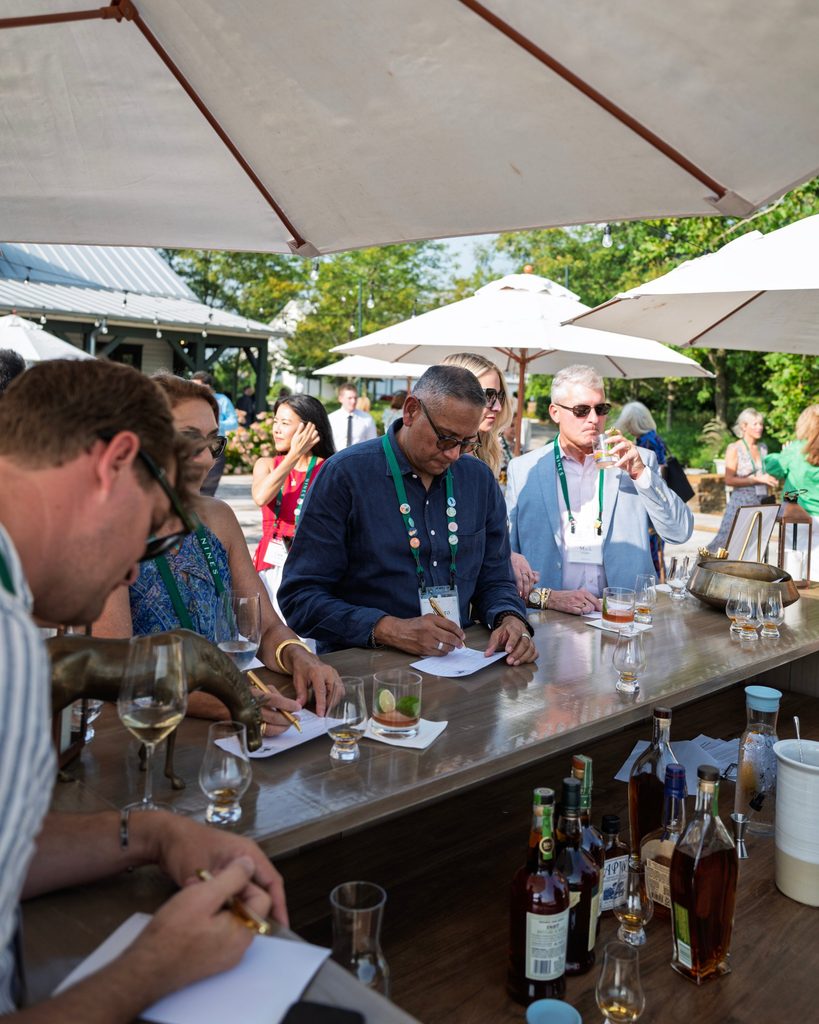
On day one, we hosted a welcome celebration with a bourbon tasting, presented by Go Rentals and Crisis 24. This true Kentucky welcome gave everyone a chance to meet their peers and catch up with old friends, and connect with each other over dinner. The Ashbourne culinary and beverage team created drinks and dishes with ingredients fresh from the farm, giving our first night a true sense of place.
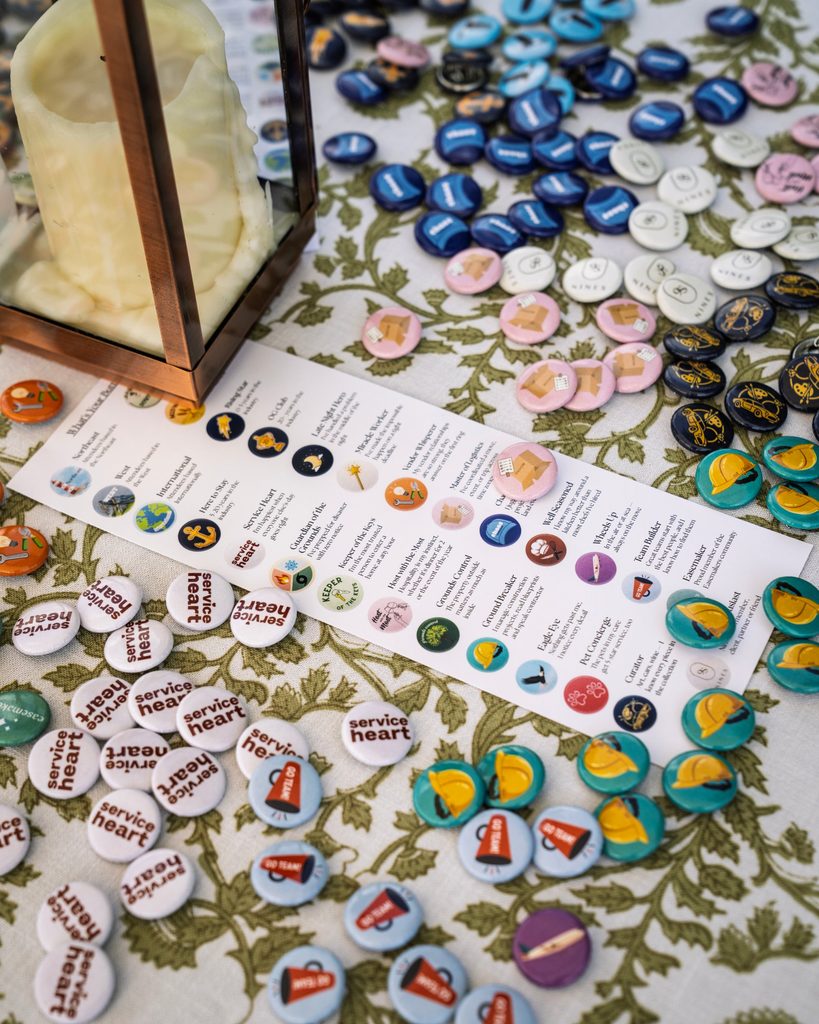
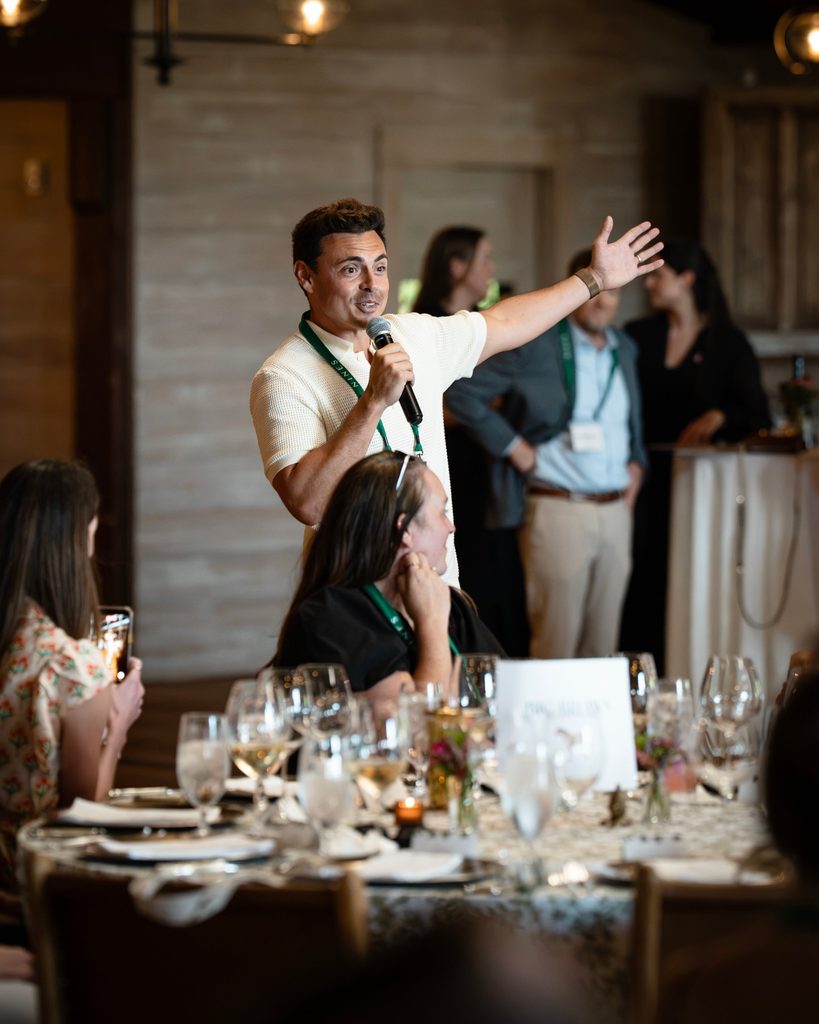
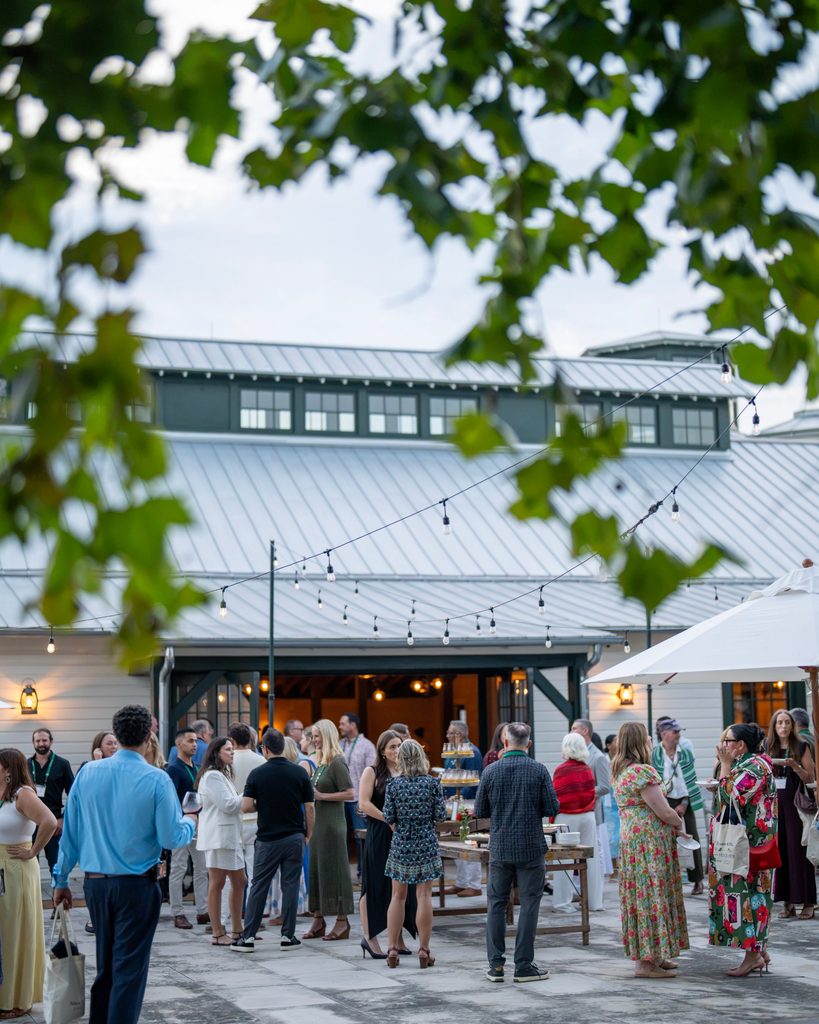
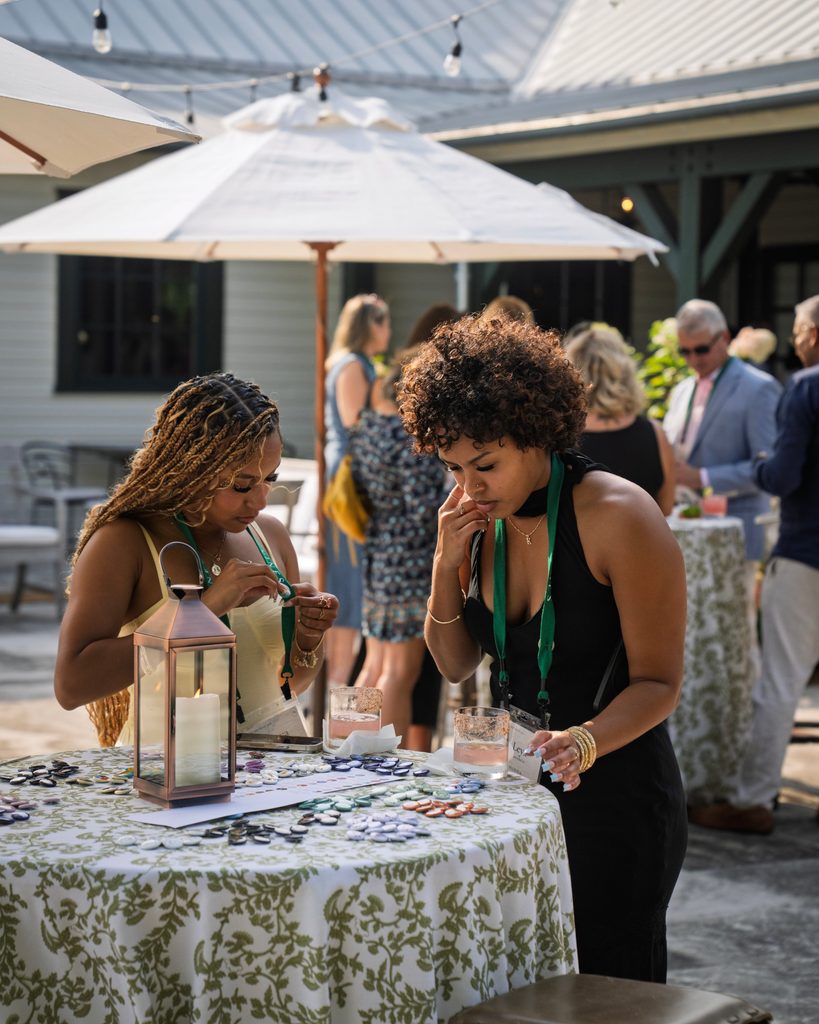
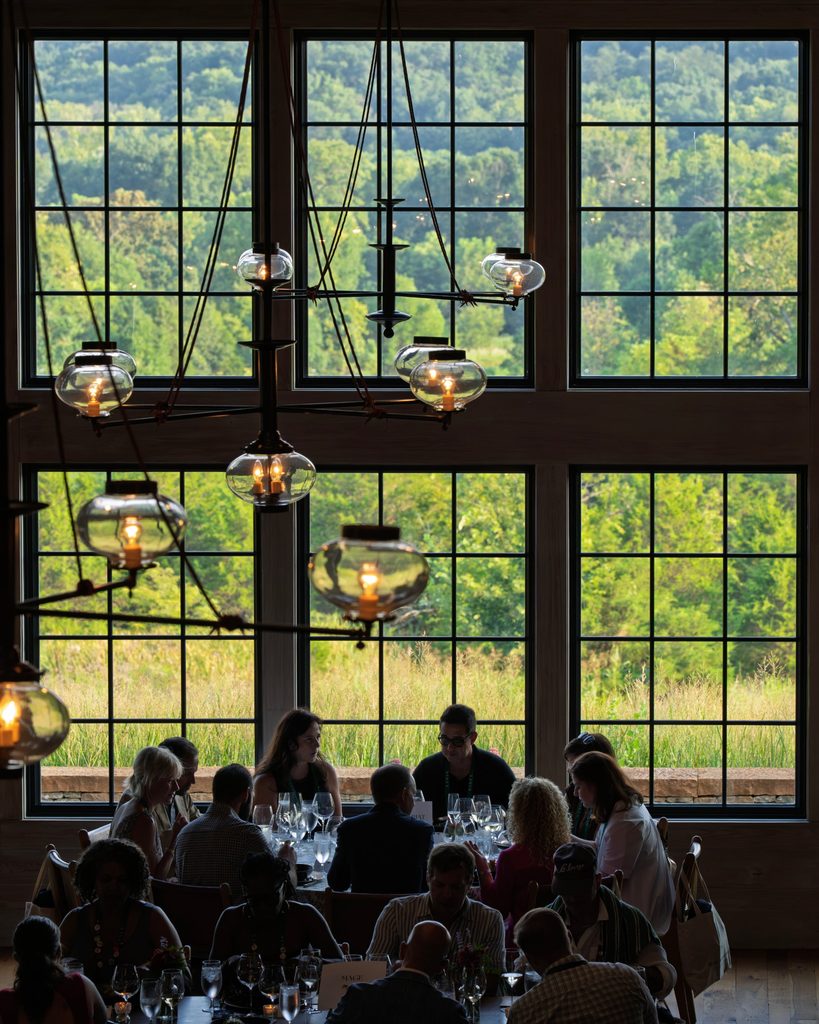
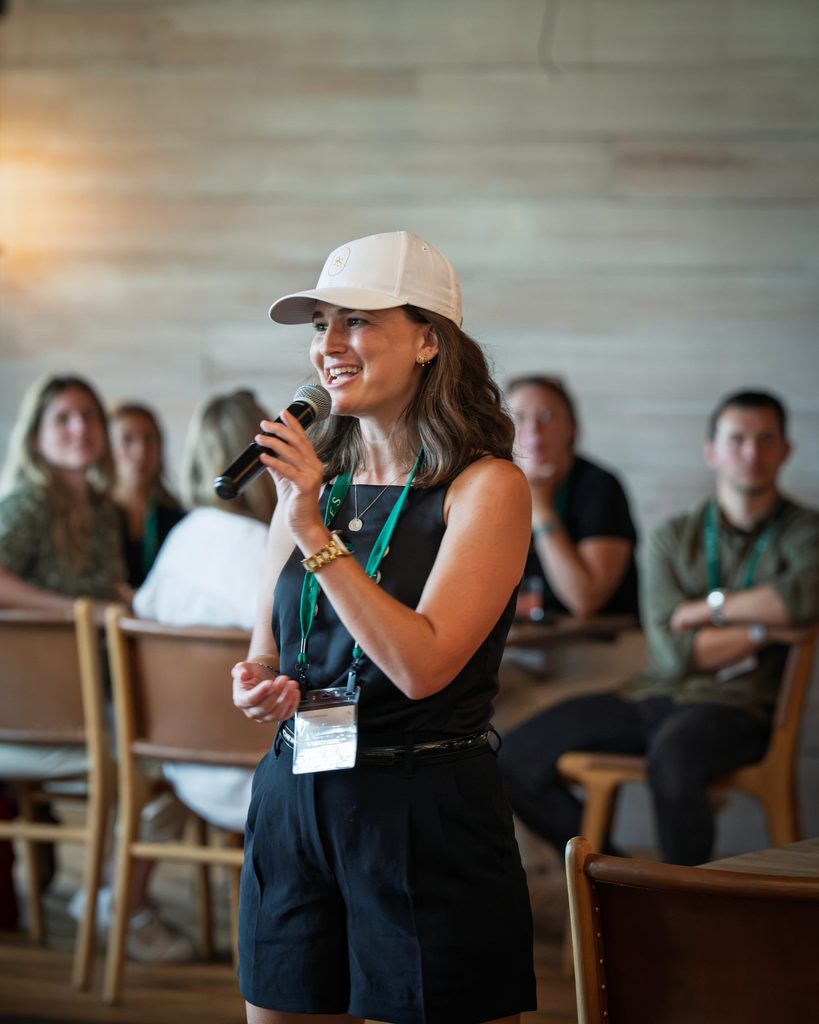
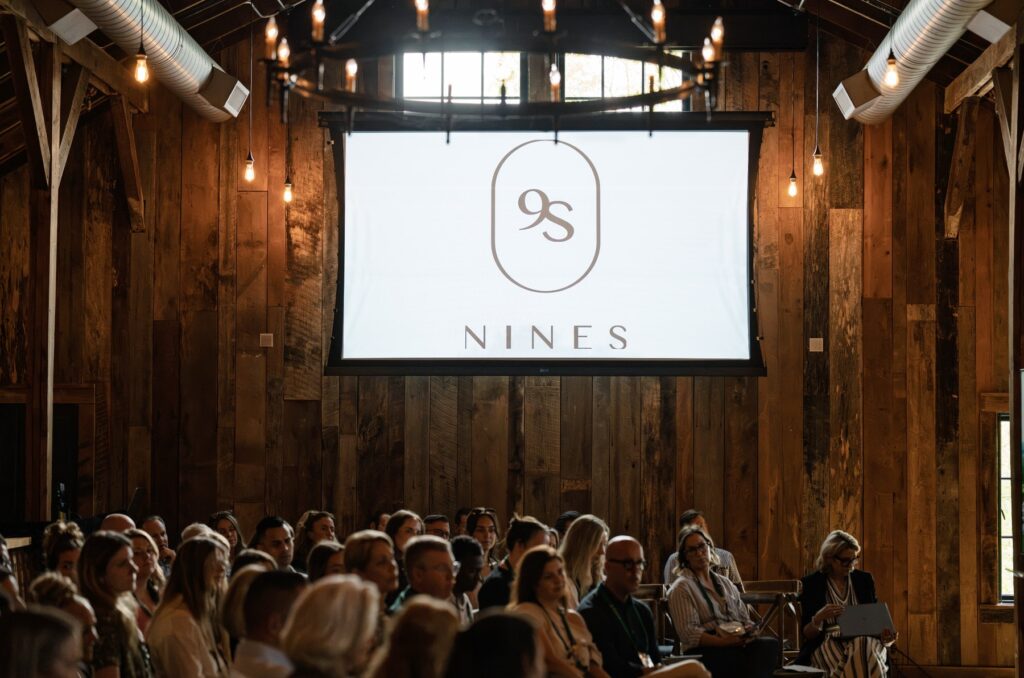
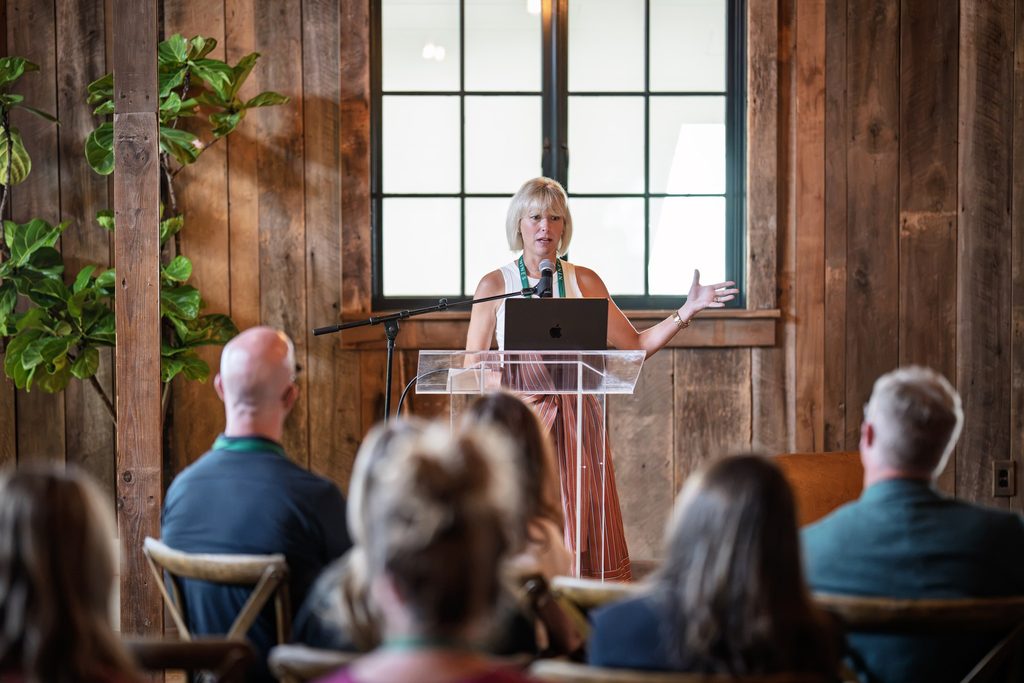
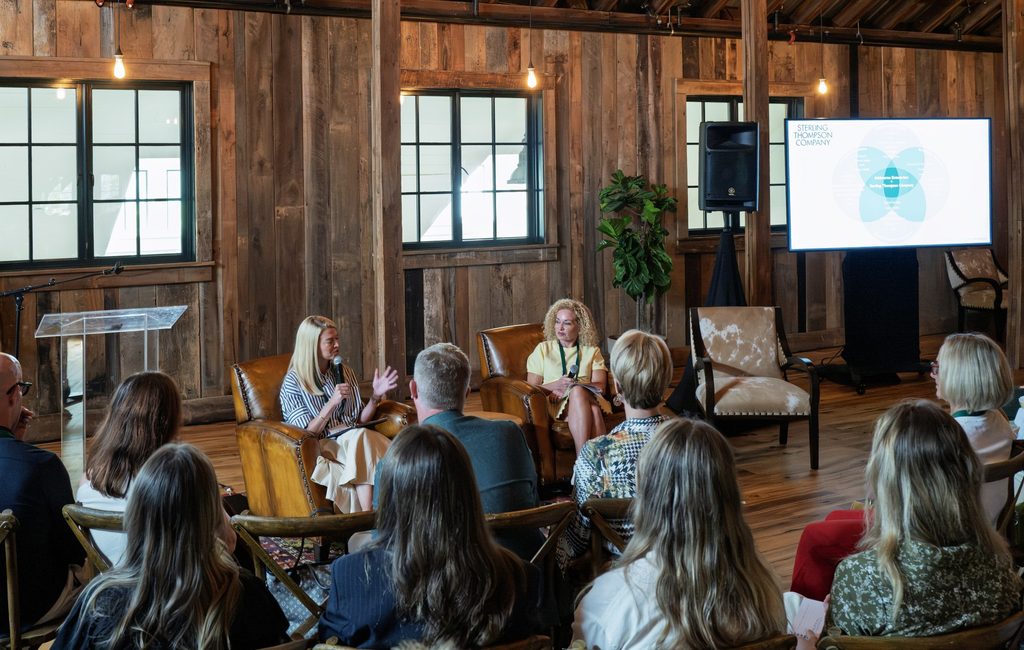
We started day two with back-to-back Showbarn Sessions, where clients and partners covered topics ranging from building a great team to tracking assets for insurance. When we broke for lunch, attendees moved through a few roundtable discussions, choosing from more than a dozen topics, including estate operations, risk management, budgeting, and building your team. Each table was led by an expert and gave everyone the opportunity to swap ideas and learn from each other in a smaller group.
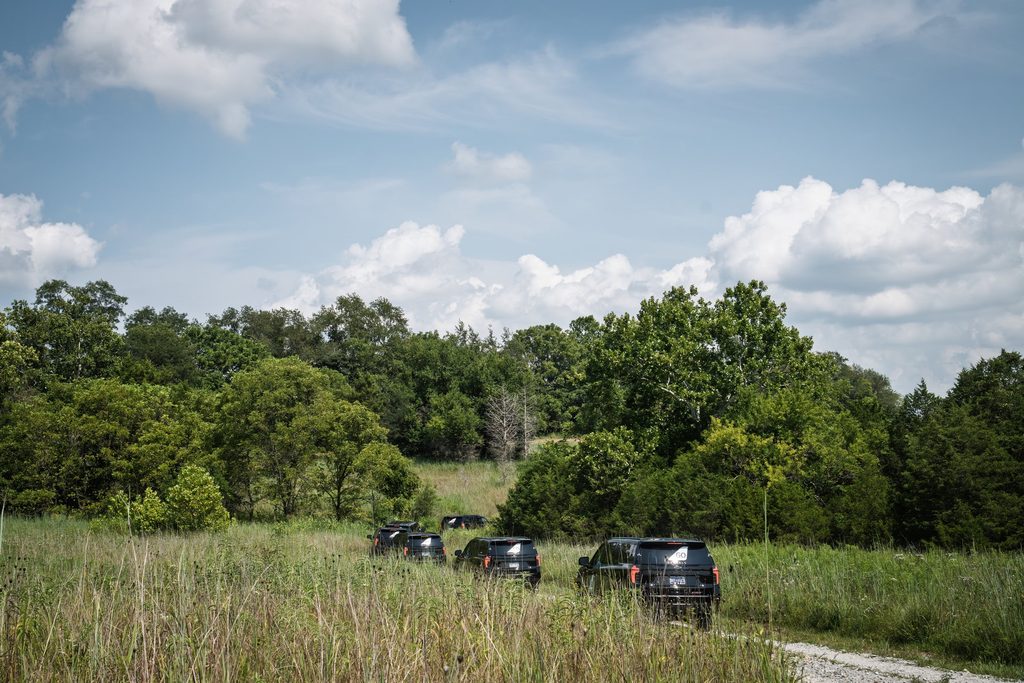
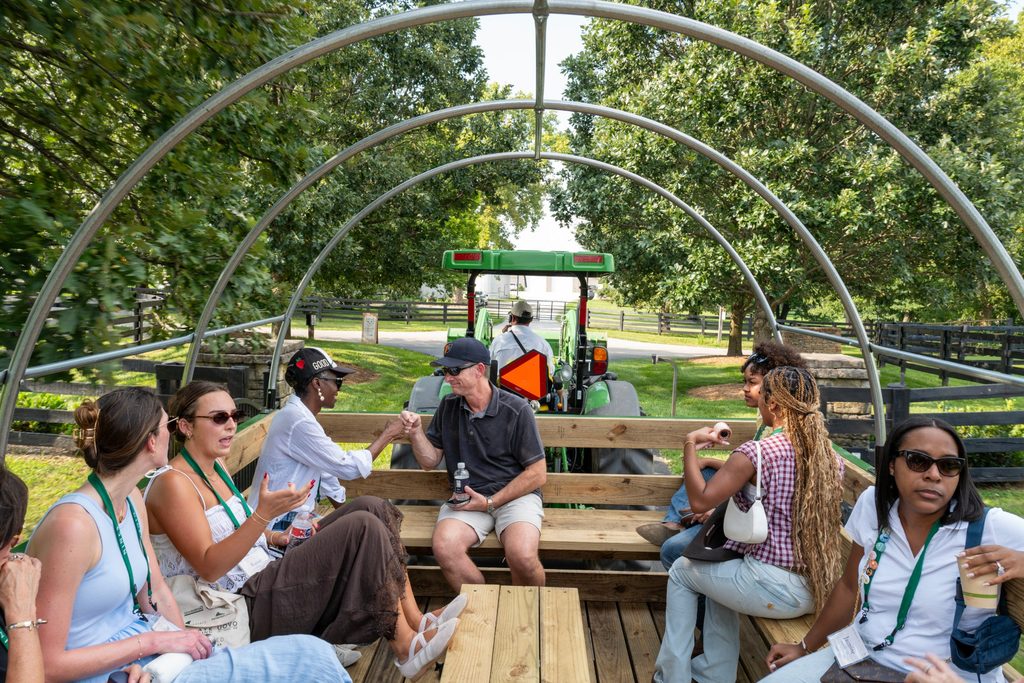
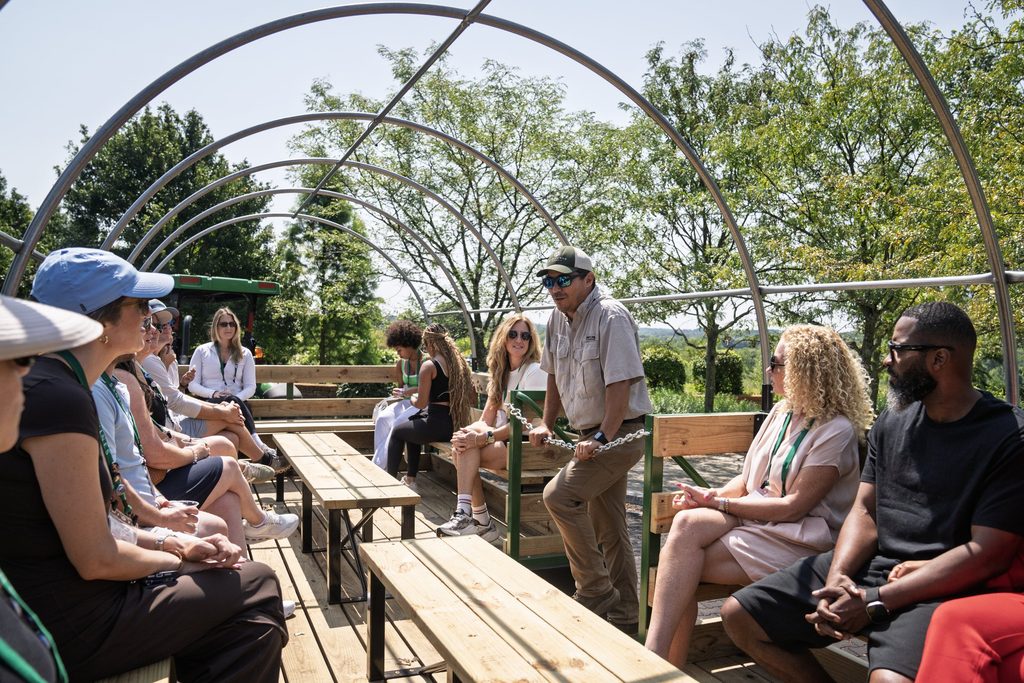
After lunch, everyone headed out for two 90-minute experiences led by the team at Ashbourne Farms. Attendees had the option to go behind the scenes with the housekeeping team, tour the Showbarn and learn about the history and legacy of the farm, see how the farm’s historic structures were built or restored, or take a hay ride through the fields and greenhouses.
We ended day two with a celebration dinner and live bluegrass music, presented by DM Estate Staffing.
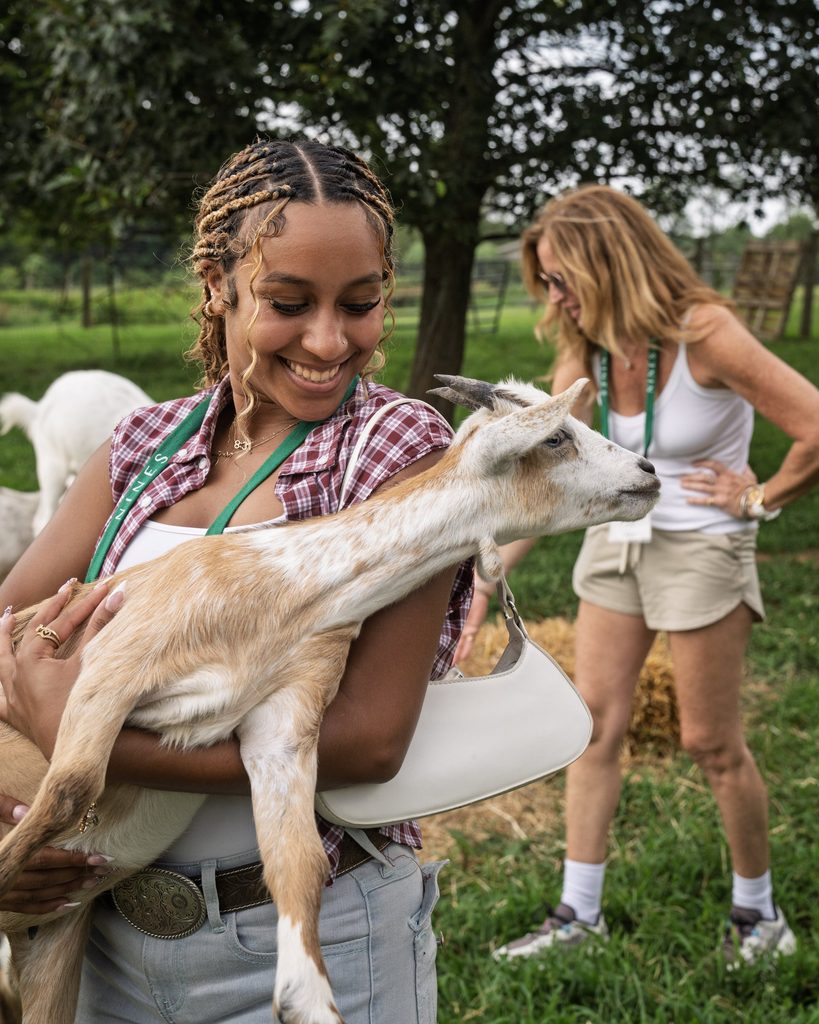
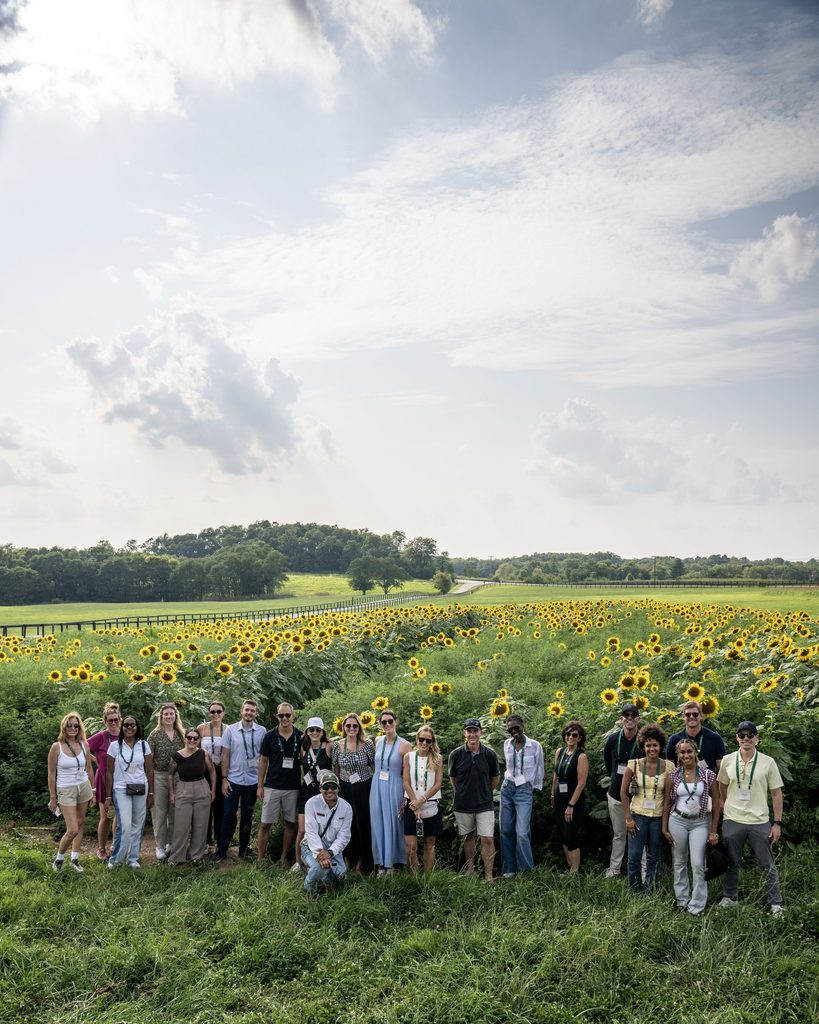
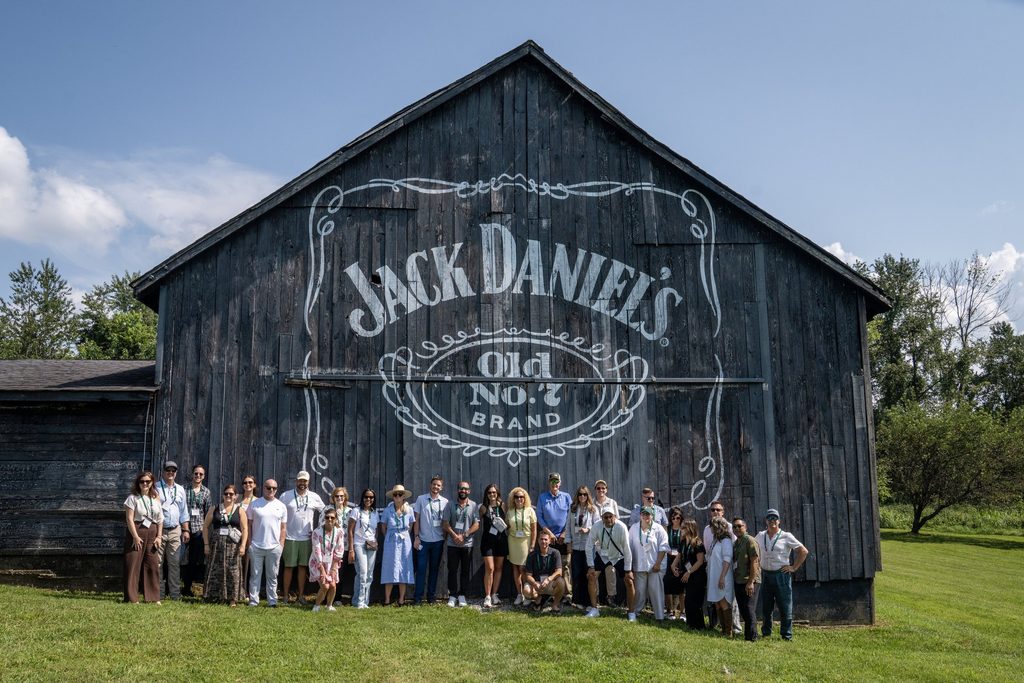
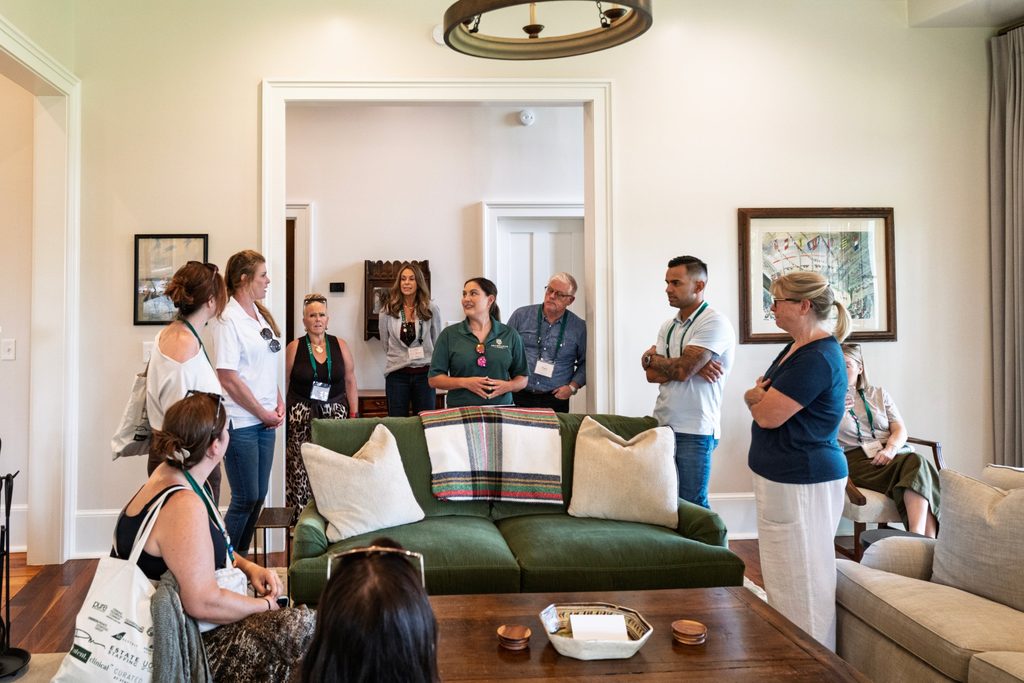
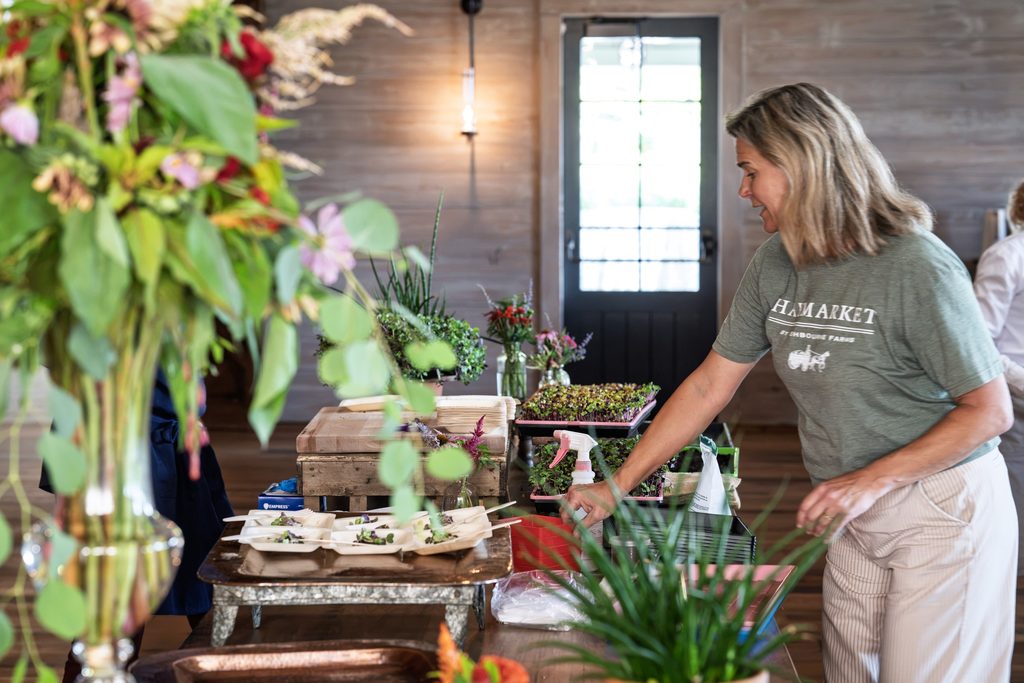
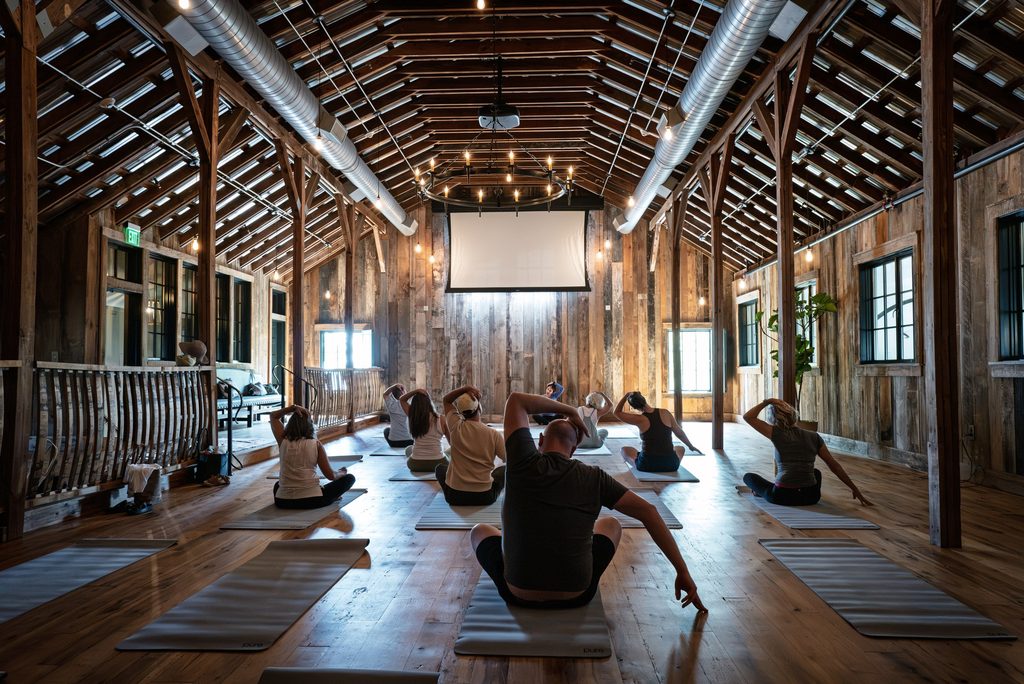
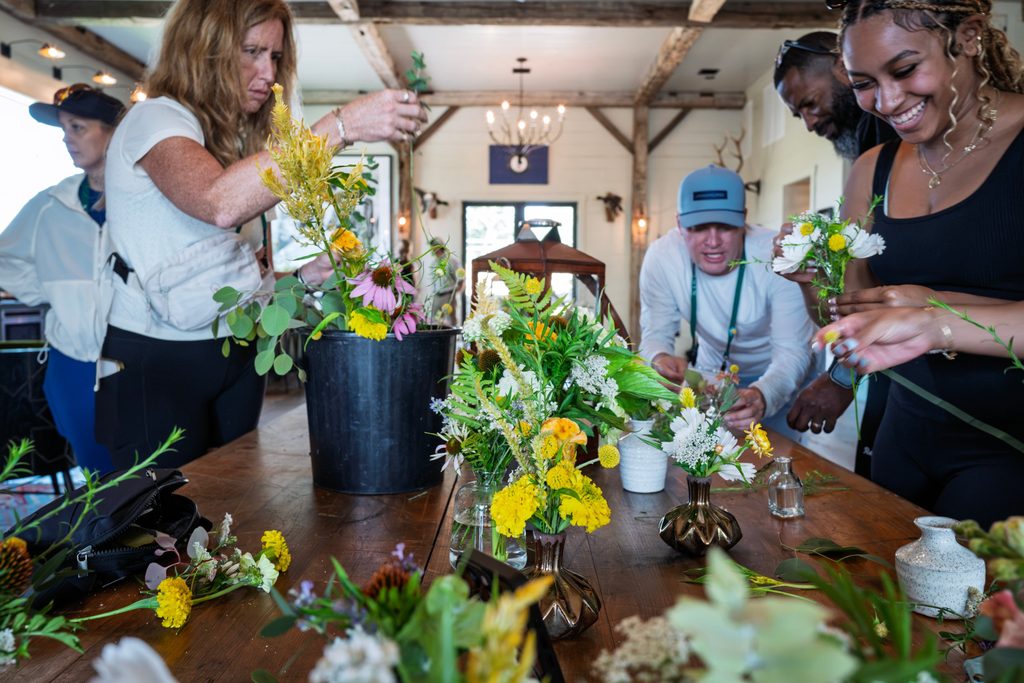
On day three, we slowed things down with a wellness day presented by PURE and Sterling Thompson Company. After breakfast, attendees broke into groups for three 50-minute wellness blocks: a flower arranging workshop, yoga and meditation, and a culinary experience where they learned to grow microgreens and cook with them. It was a relaxing way to end three wonderful days together.
A huge thank you to everyone who traveled to be there, and to our incredible hosts at Ashbourne Farms. This team wowed our community of service hearts by giving them the same five-star hospitality they bring to the families they serve every day.
Interested in hosting a future event? Email us at events@ninesliving.com.

The biggest request we received when planning this event was simple: “I want to learn what everyone else is doing.” In private service, every day is different, and there’s no one playbook that fits every household and situation. The best way to learn and grow is by learning from other people’s real experiences, and that’s exactly what this retreat delivered.
Throughout the weekend, we were blown away by the expertise of our community. Below, we’ll share 10 takeaways from our Showbarn Sessions — presentations led by Nines clients and experts in private service, designed to help clients understand what their peers are doing and inspire them to try something new.
1. Peer knowledge is one of the industry’s most valuable resources
One of our favorite moments of the retreat were show & tell presentations, where Nines clients walked through their own challenges, sharing how they used Nines to create consistency across properties, standardize checklists and communicate what needs to be done on property walkthroughs, track assets across properties for insurance, and more.
As Grace Schmitz, an Estate Manager’s Assistant from Colorado, shared on LinkedIn after the retreat, “That’s the real value of a retreat like this: not networking, but recalibration. You realize how much you’ve been improvising solo, and how much sharper the work gets when informed by people who’ve built their own version of your job from scratch.”
For Nines clients who missed the retreat: don’t miss our upcoming client sessions, with encore presentations of our show & tells. Log in to your Nines account to find the link.
2. The best systems are built around people
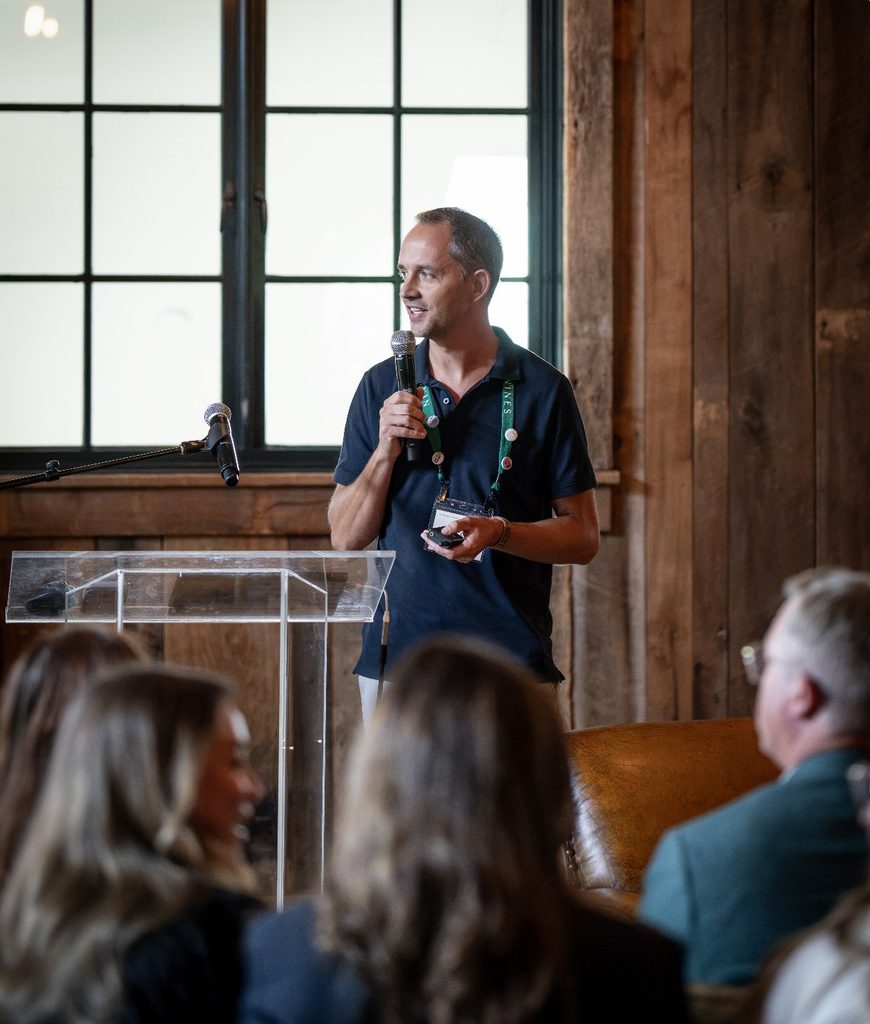
Our co-founder, Jacco de Bruijn, set the tone for the whole retreat in his opening remarks, “In the end, it’s all about the people.”
Great systems come from listening to the people who use them every day, not guessing on their behalf. That means sitting down with the housekeeper, the property manager, the family office team, and actually asking what slows them down. And when you get it right, you’ll see the difference in how they work.
Nines wouldn’t be what it is today without the input of the people who actually work in this industry. As Jacco said during his roadmap session:
“Nines has been built because of the input you all have provided.”
Our Nines Estate Management Director, Shelby Boudreau, spent almost 20 years working for one family before joining the team. “I’m always looking for ideas here at Nines,” she told attendees, which is the whole point: the best systems keep evolving alongside the people who use them.
3. The right structure makes complex households easier to manage
Many of our clients manage households that evolve quickly and grow more complex over time. Setting clear structure from the beginning heads off a lot of the confusion and duplicate work that comes with that growth.
For family office founder and principal Joe Sergi, that structure wasn’t just about the household running smoothly, it was about getting his own life back.
“My goal was, how do I get back an hour or two a day to go be home, be present?” he said.
He started with Nines to bring structure to his life at home, and worked with Catherine Smith, Co-Founder of Alerion Estate Management, to create standards and structure suited to his family specifically, not a copy of someone else’s system.
Instead of handing him a template, she and her team learned his preferences, gained an understanding of where his attention naturally went, and figured out what actually mattered to him and his family — then built around that.
“You’re able to tailor it based off of the family’s needs and wants,” Joe said of building out structure in Nines.
Director of Residence Stephanie Galetzki has seen the same principle play out in her fractional estate management work.
“We need to standardize this standard of care and also transfer of knowledge,” she said.
The right structure gives a household its own standard of care that holds up regardless of who’s managing it.
4. You do not have to build everything on day one
Catherine Smith, Shelby Boudreau, and several other speakers described implementation as an evolving process.
In the days of paper house manuals, people thought of documenting how a household works as a project that could be started and finished — but in practice, the final product was almost immediately outdated. With Nines, you can add documents, take notes, create new tasks, and make edits every day as things continue to change.
During her conversation with Joe Sergi on setting up structure for the first time, Catherine said, “It’s an evolving process and it takes time. It’s a living, breathing thing that is never fully built out.”
Getting organized can be intimidating, so it’s important to shift the mindset. Start with a basic foundation, then improve it as the household and team grow. Sustainability matters most in this industry, where change is constant. A strong, well-built foundation holds up over time far better than a system rushed into place all at once.
5. Hire for the household, not just the job description
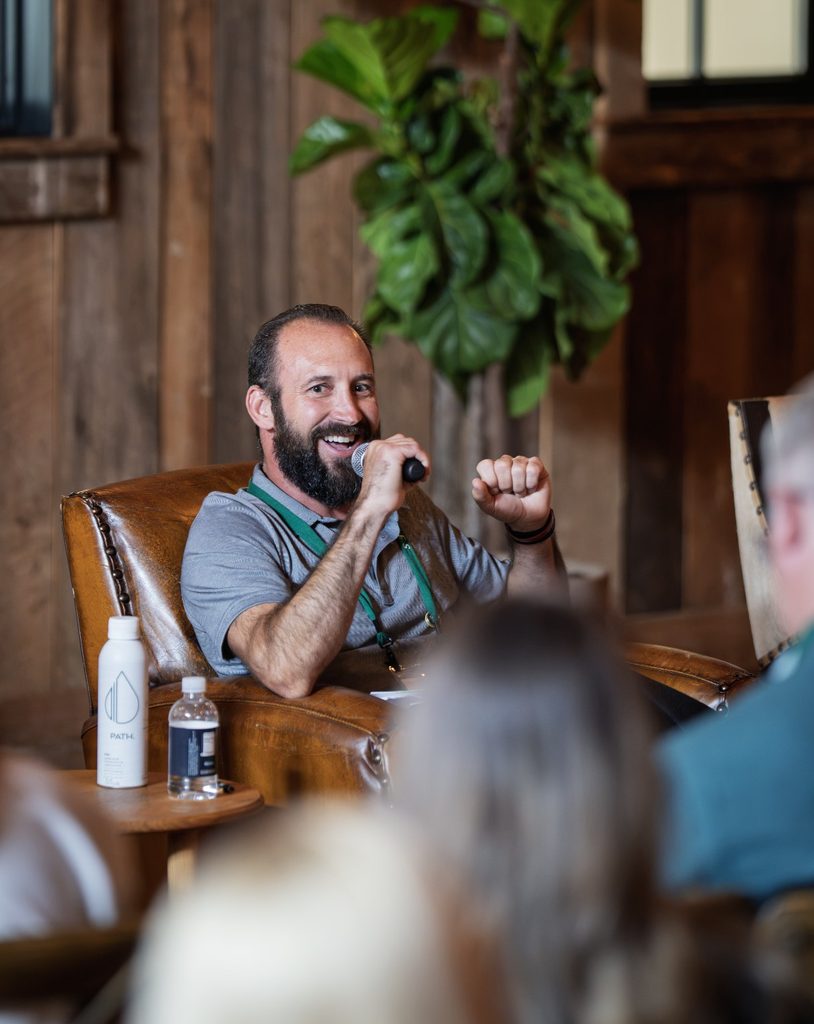
Skill on paper only gets you so far, according to Jared Miles and Madelynn Hughes. Jared, a Director of Residences based in NYC, and Madelynn, an estate manager who takes on a range of client projects through her own company Imparadise Club, shared their perspectives on building a team and creating a strong culture during their session on fostering a strong team and culture.
Every household has its own personality and its own way of doing things, because it’s not just a property. It’s someone’s home. That might mean hiring the person who’s calm and unhurried rather than choosing the person who’s most efficient, or hiring someone quiet rather than someone who checks in constantly. As Madelynn put it:
“It all comes down to the value systems of the house, and really having that gentle but firm sense of what’s really going to help this house become the best version of itself.”
6. Protecting your team from burnout is part of leadership
“People don’t leave jobs, they leave managers,” said Jared Miles.
There’s a lot of turnovers in private service, and the best way to avoid it is setting clear expectations, realistic roles, and, most importantly, giving your team a constant feeling of support.
And in private service, support looks different than in other industries, since the job doesn’t stop at 5pm.
“We need to protect them, and we need to make sure that they have a break and that they slow down,” Jared said. “That’s being a servant leader, that is taking care of your team, that is being thoughtful of them, and really being the kind of leader that people want to follow.”
Make sure household staff know they can talk to you honestly and feel comfortable coming to you when they need help. A lot of leadership in this industry comes down to the environment you build for your team.
7. Continuity of information is continuity of service
The importance of continuity appears in managing complex assets, fractional estate management, multi-property teams, and insurance. When information lives in one usable place, service does not depend on one person’s memory.
Take, for example, complex assets like yachts and private planes, where the sheer number of moving parts, systems, vendors, schedules, preferences, makes it impossible for any one person to hold it all.
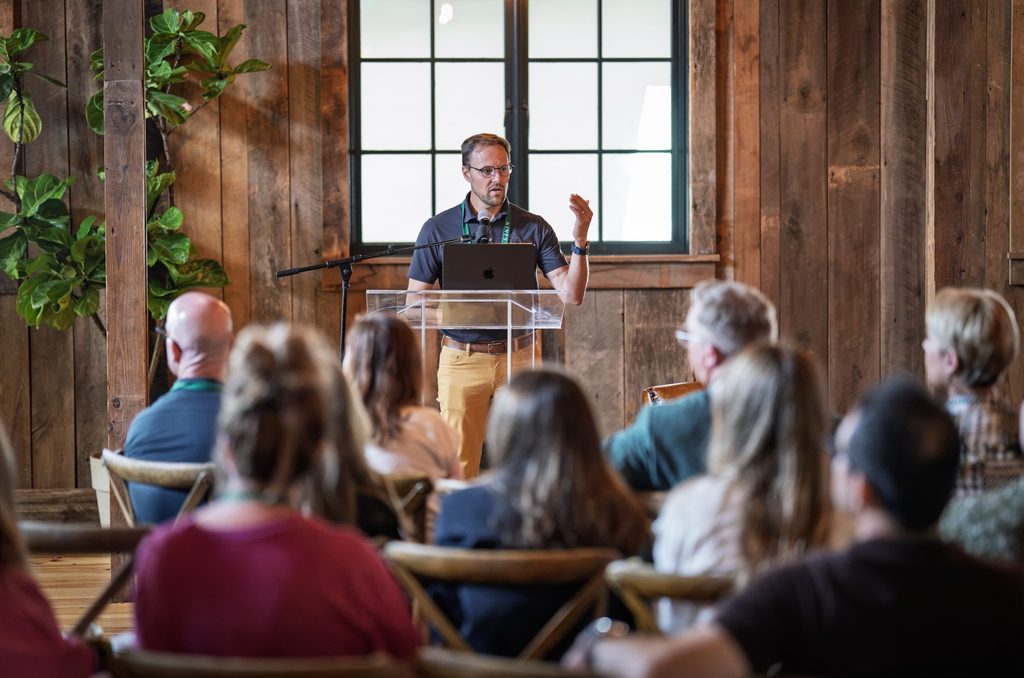
During a session on managing and accounting for highly complex assets, Alerion Estate Management, Co-Founder Stuart Smith said:
“There is no way to provide a consistent level of service unless everybody has the same view.”
8. Standardize the repeatable and customize the personal
The best teams standardize the things that happen repeatedly, like checklists and recurring tasks, so they can consistently deliver service that meets highly customized expectations.
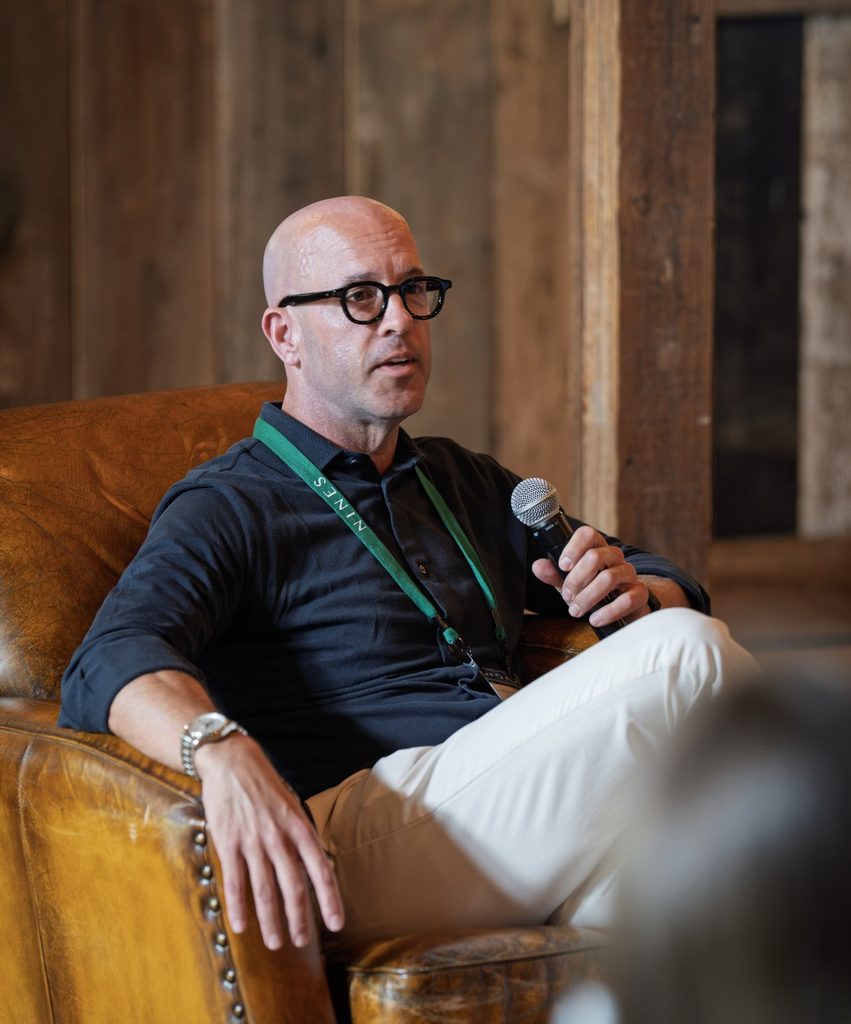
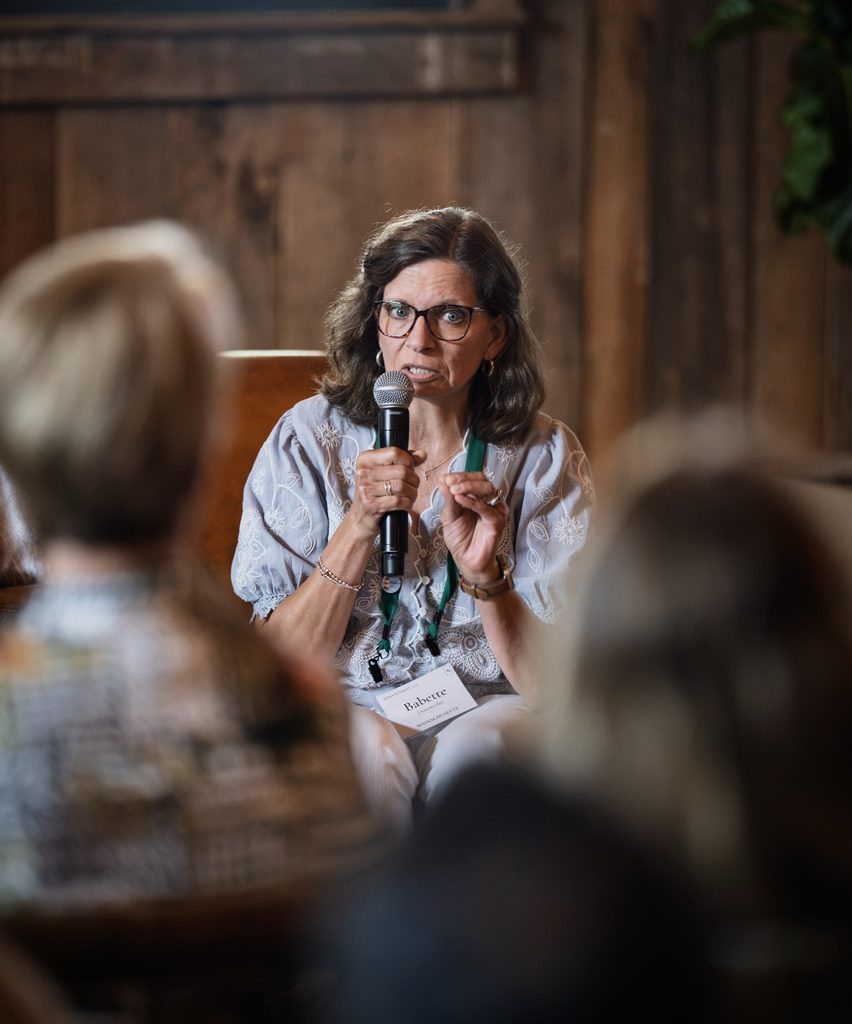
During her show & tell session, property manager Babette Duttweiler explained how she builds that consistency into her team’s structure on purpose.
“One of the things we decided early on was that in case one of us has to go to one of the other properties and fill in, if we kept things consistent through Nines at each of the properties, I could go to one of the other homes and know where to find that information, because I list it in the same places,” she said.
Nail the routine, and you’ll have more room to focus on the surprises that will undoubtedly need your attention.
9. The biggest risks often begin with ordinary things people stop noticing
Part of an estate manager’s job is to act as the back of a client’s mind, so they can go through life without carrying every worry themselves.
Kristin Rainey, VP, National Family Office & Wealth Advisory Executive for PURE, talked about the disasters no one thinks will happen to them, like wildfires, floods, and accidents.
Kristin shared that the goal isn’t just to be there after something goes wrong. It’s to get ahead of issues and help families avoid that loss altogether.
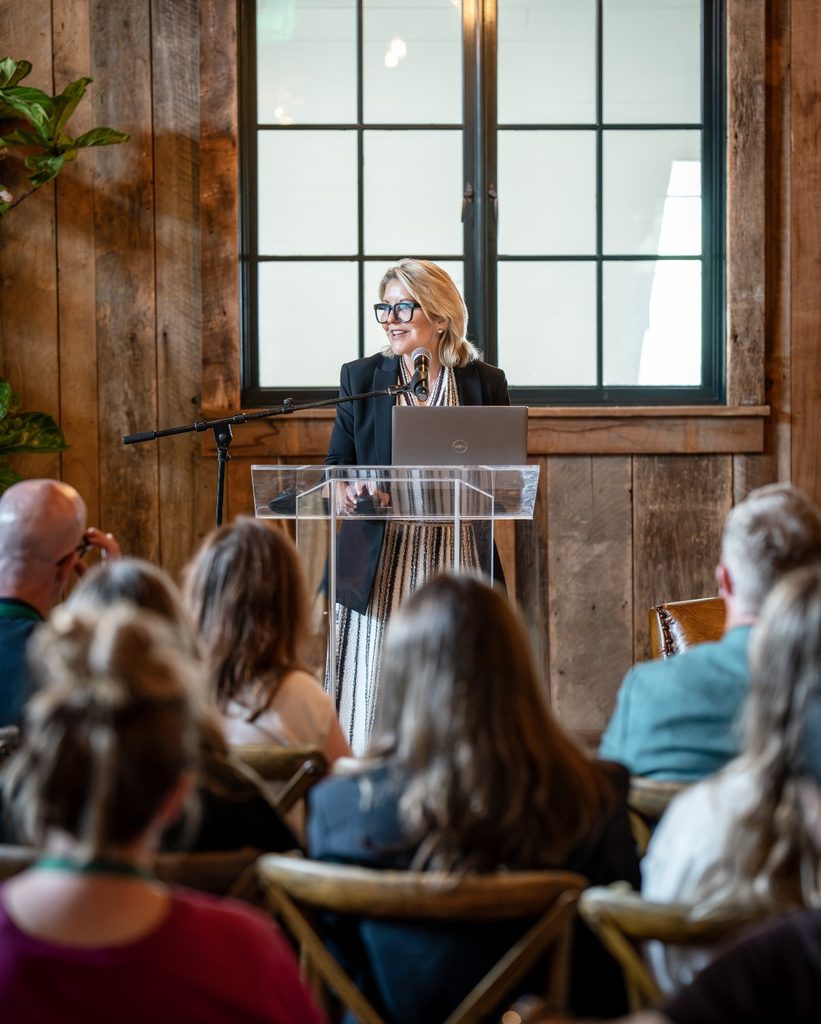
In a deep dive into how they manage risk, Ashbourne Farms Chief of Staff Melissa Miller and Sterling Thompson Company’s Private Client Practice Leader Callie Crockett shared how open communication with a trusted broker keeps small risks from becoming real ones.
Melissa gives her insurance broker direct access to Ashbourne Farms’ Nines account, so nothing gets missed and information never has to wait on a phone call.
“The trust and the relationship that we have with Sterling Thompson means we are happy to share Nines with them,” Melissa said.
That extra visibility can ensure everyone has the information they need to get ahead of risk.
10. The best technology reduces invisible administrative work
With the right technology, team members can find the answers they need without a dozen calls and emails. That’s what empowers people-first hospitality: ensuring details don’t slip through the cracks, surfacing what actually matters, and freeing up time to focus on what’s most meaningful.
Babette Duttweiler sees it play out in small moments all the time. One of her property managers will send a quick text asking where to find something, and the answer comes back before they’ve even had to think twice.
“Oh yes, it’s in Nines,” she said.
These takeaways are a reminder that great estate management isn’t about any one tool or tactic. It’s about the people doing the work, and how much they have to teach each other.
Andrew Beardsley, Director of Residences and Estate Manager who attended the retreat, said in a LinkedIn post, “we excel in this field through connection, and Nines has cultivated something rare and real.”
This retreat was a wonderful expression of why we started Nines. Watching our community come to life, and seeing everyone connect, learn, and inspire one another, felt truly special and was such a celebration of what we’ve built together over the last 6 years. We learned so much, and we hope you did too.
A huge thank-you to the partners who helped make this weekend possible, Go Rentals, Crisis24, DM Estate Staffing, PURE, Sterling Thompson Company, Dean Dorton, FWO Accounting, PrivateFlite Aviation, UOVO, Curated by Streeter, and Intent Clinical.