
How estate managers can prevent costly risks that everyone has stopped noticing
Most major losses don't start with a disaster. They start with something ordinary. Here's what PURE's Kristin Rainey has learned about seeing risk before it becomes a claim.
By Leith Gray
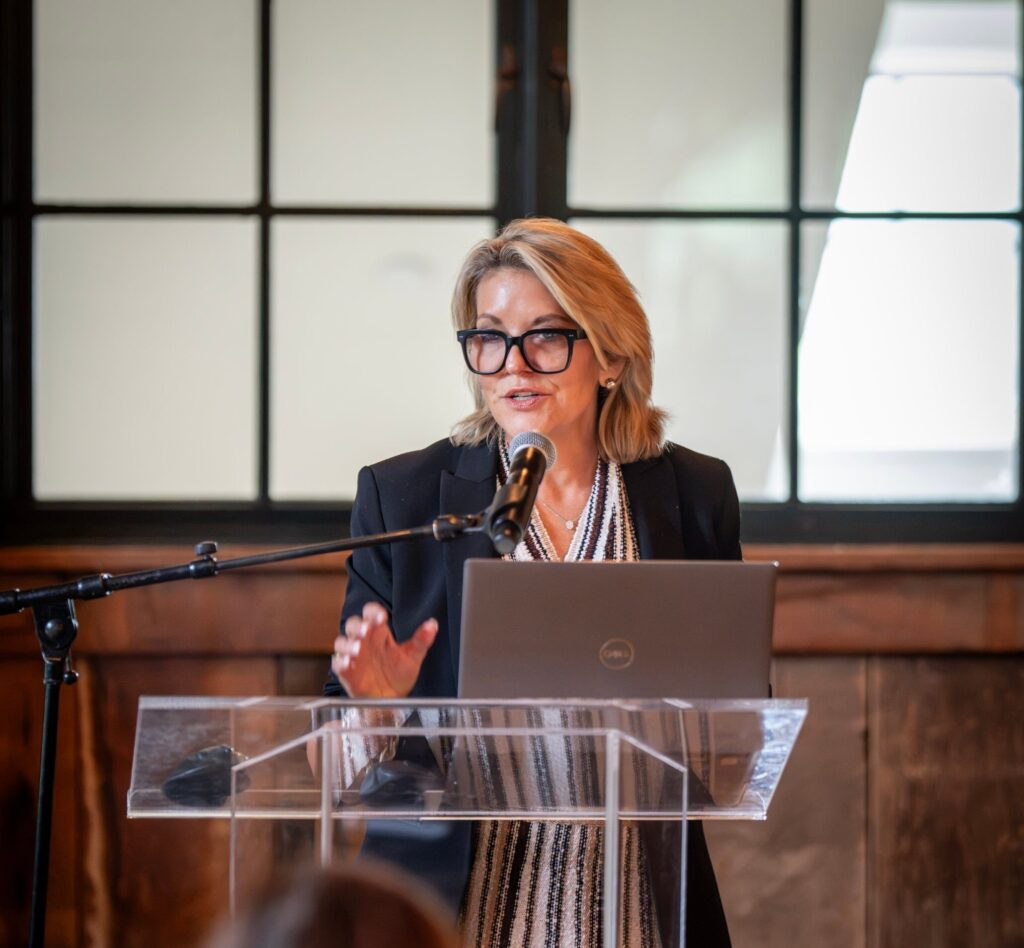
“Most significant losses don’t begin with something dramatic. They begin with the ordinary,” says Kristin Rainey, VP, National Family Office & Wealth Advisory Executive at PURE Insurance.
PURE is a member-owned insurance carrier that insures more than 122,000 families across the U.S. and Canada. The firm handles tens of thousands of claims every year, so Kristin sees what goes wrong and also what could have prevented it.
“The common thread is not negligence, it’s just familiarity,” says Kristin.
One of the biggest shifts she’s seen is how families think about insurance. Many assume the right policy takes care of everything, but that’s no longer enough.
“It’s no longer just about buying insurance,” says Kristin. “It’s about actively managing the risk.”
That’s where estate managers and private service professionals come in.
“They are often the first to notice when something has changed, when something doesn’t look right, or when a small issue could become something much bigger,” says Kristin.
Noticing that small change and acting on it is often what keeps a problem from turning into a major loss.
At our Nines Client Retreat, Kristin shared how estates can prepare for the unexpected, using real claims to show where losses start and how to get ahead of them. Below, we’ll explore those examples, starting with everyday situations that turned into major losses, and the lessons behind them.
Good intentions don’t replace good structure
Kristin’s first example shared the story of a family who treated their nanny very generously but classified her as a contractor instead of an employee, based on outside advice. When a question about overtime pay came up, it turned into a costly claim. Her takeaway was simple:
“Employment law is based on compliance, not intent.”
For estate managers, this is one of the easiest risks to get ahead of.
“These are the most preventable claims,” said Kristin. “Clear employment agreements, compliant payroll practices, defined responsibilities and well-maintained records with Nines all will go a long way toward protecting both the family and the employees that they value so highly.”
If a role has grown beyond its original description, or a classification decision was made years ago and never revisited, that’s worth raising.
Properties change, even when routines don’t
Kristin described a family whose deteriorated treehouse, forgotten for years, led to a serious injury for someone outside of the family.
“It wasn’t a reckless decision, it was simply something they had stopped seeing,” she said.
Homes evolve along with the families who live in them. As time passes, trees grow and structures change, and it’s easy to go without noticing things that need to be addressed.
“That’s one of the reasons that routine property walkthroughs are so important,” said Kristin.
Those walkthroughs are most useful when they’re done with fresh eyes. This is where private service professionals can add the most value.
“Sometimes the greatest value you can bring is simply seeing things that everyone else has stopped noticing,” said Kristin.
Plan for the gathering, not just the home
“Some of the most significant risks we see don’t involve the property at all,” Kristin said. “They involve the people who gather there.”
Holiday dinners, graduation parties and time with family and friends are some of life’s greatest moments, but she noted they also introduce liability claims around alcohol.
“When alcohol is involved, injuries are more severe and the claims become much more complex,” said Kristin.
Even hosts who take careful precautions can’t control every moment.
“Resilience isn’t about avoiding life celebrations. It’s about setting the expectations, establishing boundaries and recognizing how quickly these circumstances can change,” said Kristin.
That can mean thinking through the details well before an event, from the guest count and how alcohol will be served, to access to pools or ponds, transportation for guests and insurance coverage for any vendors. It also means having a plan for the moments no one can predict.
What feels everyday can still be extraordinary
“One of the comments we hear often is ‘we’re just normal people,'” said Kristin. “And in many ways they are. They host dinner parties. They have hobbies they love. They collect things they enjoy, and they decorate their homes with artwork and inherited family heirlooms. To them, these are just everyday possessions, even though they often carry extraordinary value and unique risk.”
She shared an example of a family who suffered a significant theft and realized afterward how many of their valuables had never been documented. They thought of the assets simply as part of their home, not as a collection. Her takeaway:
“What feels ordinary to our families often deserves a very different approach to the planning, documentation and protection.”
Private service professionals are well placed to lead this work. That includes keeping an up-to-date inventory with photos and appraisals and storing documentation where the right people can reach it. It also means paying extra attention during moves, renovations and travel, when valuables are often out of their usual place.
Resilience is ongoing, not one-time
Kristin also covered the extraordinary events that are changing how homes are insured, starting with wildfire.
“One of the biggest misconceptions about wildfire is that it’s all about flames,” said Kristin. “In reality, homes don’t burn from a wall of fire, they burn because embers travel ahead of the fire and ignite vulnerable areas within the home.”
She pointed to vents, decks, fences that connect to the home and small openings in the roof.
“Wildfire resilience begins long before a fire starts by understanding how a home could be impacted and taking steps to strengthen it,” said Kristin.
She explained that insurability is no longer just about location, it’s increasingly about how a home is built, maintained and protected. That means reassessing a home over time, not just when it’s purchased.
“Protecting the home is not a one-time project, it’s an ongoing process,” said Kristin.
If it can rain, it can flood
Kristin shared that PURE members often ask why they need flood insurance when they don’t live near the water.
“The reality is, the way people think about flood is really outdated,” said Kristin. “Flood is the most common and costly natural disaster in the United States, and yet many people still think of it as a coastal or river exposure.”
PURE has seen major flood and water losses in places no one considered flood-prone.
“Flood is not just a coastal risk, it’s not just a river risk, but it’s a nationwide risk,” said Kristin. “Over 30% of flood claims come from low to moderate risk areas.”
Her advice was simple: if it can rain where your property is located, it can flood. Every property should be evaluated for flood protection.
For private service professionals, that review can start with confirming whether flood coverage is in place and checking sump pumps and drainage. It should also include keeping gutters and storm drains clear, since a single blockage can send water somewhere no one expected.
Build a proactive team
Kristin closed by bringing it back to partnership.
“Risk management has evolved,” said Kristin. “It is no longer just about having the right insurance in place when something goes wrong. It’s about working with the right partners to identify risk, strengthen resilience and, whenever possible, prevent the losses.”
That starts with an estate manager who takes notice of what everyone else misses, a knowledgeable broker, and a carrier who understands the unique needs of successful families.
Private service professionals are already doing much of this work, even if no one calls it risk management. The walkthroughs, the records and the questions about a new hire or an upcoming event all add up and can prevent a loss before it happens.
“The goal is not simply to be there for families when they experience a loss,” said Kristin. “It’s to help them avoid one in the first place.”
Kristin’s talk was one of many sessions at our first Nines Client Retreat, where 130 clients, partners and friends came together to learn from one another. Want to see more insights from the retreat? Read our 10 lessons from top estate managers →